Hosting Guides
A restaurant feeds you. A supper club hosts you. Here's how to find a space in Delhi worth gathering people around and when it's time to step out of your own kitchen.
6 min
•

Somewhere in Delhi tonight, a dozen strangers are sitting around one long table. The menu's already set by the host, who'll know everyone's name by dessert. And the room feels less like a booking and more like being let in on a family story.
That's a supper club. And across Delhi, more people are choosing them over restaurants every single month.
A supper club is a private dining experience built around one shared table - usually in a home, courtyard, rooftop, or studio rather than a restaurant. People host them to bring others together over thoughtful food, real stories, and conversation that doesn't get rushed. If you're planning one, the hardest part is rarely the menu. It's how you hold the room. This guide covers how to choose the right space, what it costs, the mistakes to avoid, and exactly when it's time to step out of your own home.
There's something we've quietly started to miss as the city speeds up: a group gathered around one meal, a cook who serves each dish and tells you where it came from, an evening that strings small memories across a table. A supper club brings that back, not just courses, but stories, served with warmth.
Why Delhi Is Falling for Supper Clubs
A restaurant feeds you. A supper club hosts you. Both built with a different intent.
A supper club happens once a month - maybe twice, if it's viral. No one's rushing to turn the table for the next booking, or topping up your second glass to move you along. The menu is the host's actual point of view: no filler, no fries to keep everyone comfortable. You eat beside people you've never met, and somewhere between the starter and the story behind the mains, they stop being strangers.
Because it happens so rarely, and with real connection, people will pay more, travel further, and book weeks ahead for a dinner with no sign-board outside. So instead of filling tables , a supper club fills one evening with the right table.
A Supper Club isn't a Meal. It's an Evening.
Here's what the best hosts understand: the food is only one course of the experience.
The rest is choreography. The small gesture that greets guests at the door. Music low enough that you can still hear the person across the table. Candlelight pooling on a lime-washed wall. The seating that quietly puts the shy guest beside the talker. The pause between courses that lets a conversation breathe.
Here, every part of the night is chosen on purpose, and dinner turns into a memory in the making. Somewhere between the second course and dessert, someone asks for the recipe. Someone else asks where the plates came from. A third person quietly reaches across the table for more bread. That's usually the moment a supper club stops being an event and becomes a memory.
That feeling doesn't come from a bigger budget. It comes from a space with a story, and a host who knows how to let people in.
When to Step Out of Your Living Room
Most supper clubs start at home - six to eight close friends, your own kitchen, your own playlist. There's real intimacy in that, and you shouldn't rush to leave it. But every supper club hits a moment where the living room stops serving the evening. You'll know you've reached it when:
Your guest list crosses ten or twelve. Suddenly there isn't one table everyone can sit around and a split-room dinner kills the magic.
You want to invite strangers. Hosting people you don't know in your home is a different ask. A booked space gives everyone the comfort of neutral ground.
You're charging for tickets. The moment money changes hands, the evening has to feel worth showing up for. A room with character does that work for you.
You want a vibe your flat can't give. A heritage baithak, an art-filled home, a winter rooftop - some evenings need a backdrop your apartment simply doesn't have.
You don't want to cook, clean, host the guests, and manage the room all at once. Doing everything yourself is how a good idea turns into an exhausting one.
It's a brand or press dinner. When the photos matter, the space is half the story.
If you nodded at even two of these, it's time to find a space.
How to Choose the Right Space for Your Supper Club
Every first-time host worries about the menu. Almost every experienced host worries about the room - because once guests sit down, the menu can still surprise them, but the room has already spoken. Run through this before you book anything:
THE LAYOUT. A supper club thrives on its table. Look for a space that holds the vision you want - a long communal table, a horseshoe, a large circle, an island rectangle. Make sure everyone can sit together and look at each other and share the experience - is the whole point.
THE FITTING. As a rule, plan 15–20 sq ft per guest for a comfortable seated dinner, enough to serve and move between courses without anyone feeling boxed in. In practice:
Guests | Comfortable room size | Notes |
|---|---|---|
8 | 120–160 sq ft | one long table; intimate |
12 | 220–300 sq ft | once servers start moving between chairs |
20 | 350–450 sq ft | room to serve and circulate |
40 | 600–800 sq ft | usually two long tables or a U-shape |
100 | 1,500–2,000 sq ft | a hall, courtyard, or lawn; add a separate arrival area |
Go tighter (10–12 sq ft) only if you want elbow-to-elbow energy; go wider (20–25) if you're adding a bar, a grazing table, or a lounge corner. It's never about fitting more chairs, it's about leaving room for conversations, and servers, to move.
THE VIBE. Find a space that aligns with your narrative - a colonial home, a high-roof loft, a farm, a clean white room, a heritage haveli, a table set under a neem tree. The right backdrop adds to your story, your menu, the memory people leave with.
THE KITCHEN. Does the space have a working kitchen - hot plate, fridge, a staging area for your chef or just a surface to plate on? Some are fully equipped; others expect you to bring your own gear, like a hot plate or OTG. Know what your chef needs before you lock the room.
THE ACCESS. Arrival, dinner, and lingering should each have a place - ideally a spot to gather before everyone sits. Then the practicalities: parking, load-in for caterers, fire exits, step-free or wheelchair access if your guests need it.
THE SOUND. Can you play music? Is the space sound proof to cut out-side noise? A great dinner can be undone by an acoustic nightmare.
The things nobody remembers - until they're missing. No one compliments your washrooms, but they'll remember standing in a queue. No one photographs the catering entrance width, but your chef will notice it. Parking, plug points, a clean accessible loo- none of it makes the highlight reel. It's just the reason everything else works.
After the logistics check out, ask the only question that really matters: does this experience carry a story your guests will want to be part of? Everything else is practical. That last one is the whole reason you're hosting.
Five Mistakes First-Time Supper Club Hosts Make
Even a thoughtful menu can't save an evening that gets the basics wrong. The most common slips, roughly in order of how often they happen:
They invite too many people. Twelve curious strangers around one table almost always beat thirty spread across three. Start small.
They cook too much. Four or five considered courses land better than eight that leave everyone too full to talk - balance the number of courses with the size of the portions.
They underestimate serving space. It's not about fitting more chairs, it's leaving room for people, and servers, to move between them.
They forget the first ten minutes. Plan what happens before everyone sits: the welcome drink, where bags and coats go, the slow gathering, a little space for introductions between guests and host. The mood of the night is set here.
They spend the evening in the kitchen. If you're hosting, be at the table. Prep ahead, bring help, and stay where the evening is actually happening.
What a Supper Club Actually Costs
Before the menu, the math. Here's a realistic starting budget for around 20 guests - everything except food and drink, which depends entirely on your menu:
Space, by the hour: ₹10,000–25,000 for the evening
Furniture, if the space isn't already set up: ₹5,000–8,000
Decor and styling: from ₹3,000 - a few vases, flowers, and candles you can start with from home and build over time
Service staff: ₹1,000–1,500 per server for the night (start with friends or a small home crew and this stays close to zero)
Cutlery and crockery: start with what you have at home, rent for the evening, or buy a basic set from around ₹400 a guest - then add layers as you grow: charger plates, varied serving ware, linen napkins, a second glass for wine. The rule of thumb: rent until you're hosting monthly, then buy. as it pays for itself after three or four dinners.
There's no upper limit here. Decor, glassware, flowers, you can keep layering forever. The smartest hosts start small and let the table grow. Character beats budget; a room that feels intentional always outshines one that's merely expensive.
Where to Host a Supper Club in Delhi: Spaces to Book
Every memorable supper club begins long before anyone sits down - when someone opens a gate, lights a candle, or pulls out one more chair than they planned to. People rarely remember exactly where they ate. They remember where they belonged.
Once you know what you're looking for, here are spaces across Delhi and Gurugram genuinely built for a curated evening - chosen for character, the right scale, and the freedom to bring in your own food. All are booked by the hour.
Your menu tells one story. Your space tells the other half.
Browse Delhi's character-filled homes, courtyards, and lofts, the kind built for evenings people remember long after dessert.
From chef's tables to candlelit courtyards
Curated venues in Delhi, perfect for hosting an intimate supper club experience.
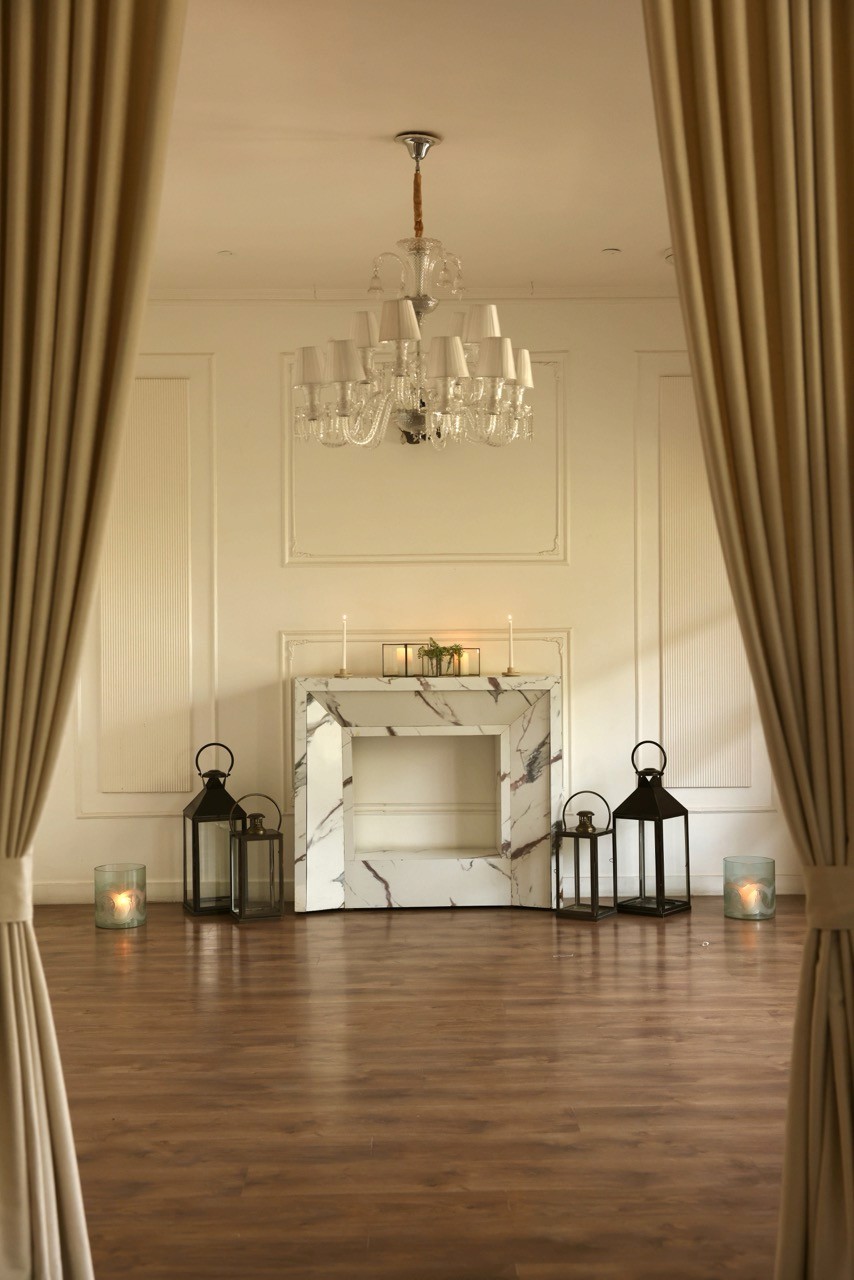
The Ivory Room
₹2400
per hour
Best for an intimate, candlelit dinner.
East of Kailash
20 guests
1,200 sqft
Sunlit · Vintage · Marble Fireplace
Book this space
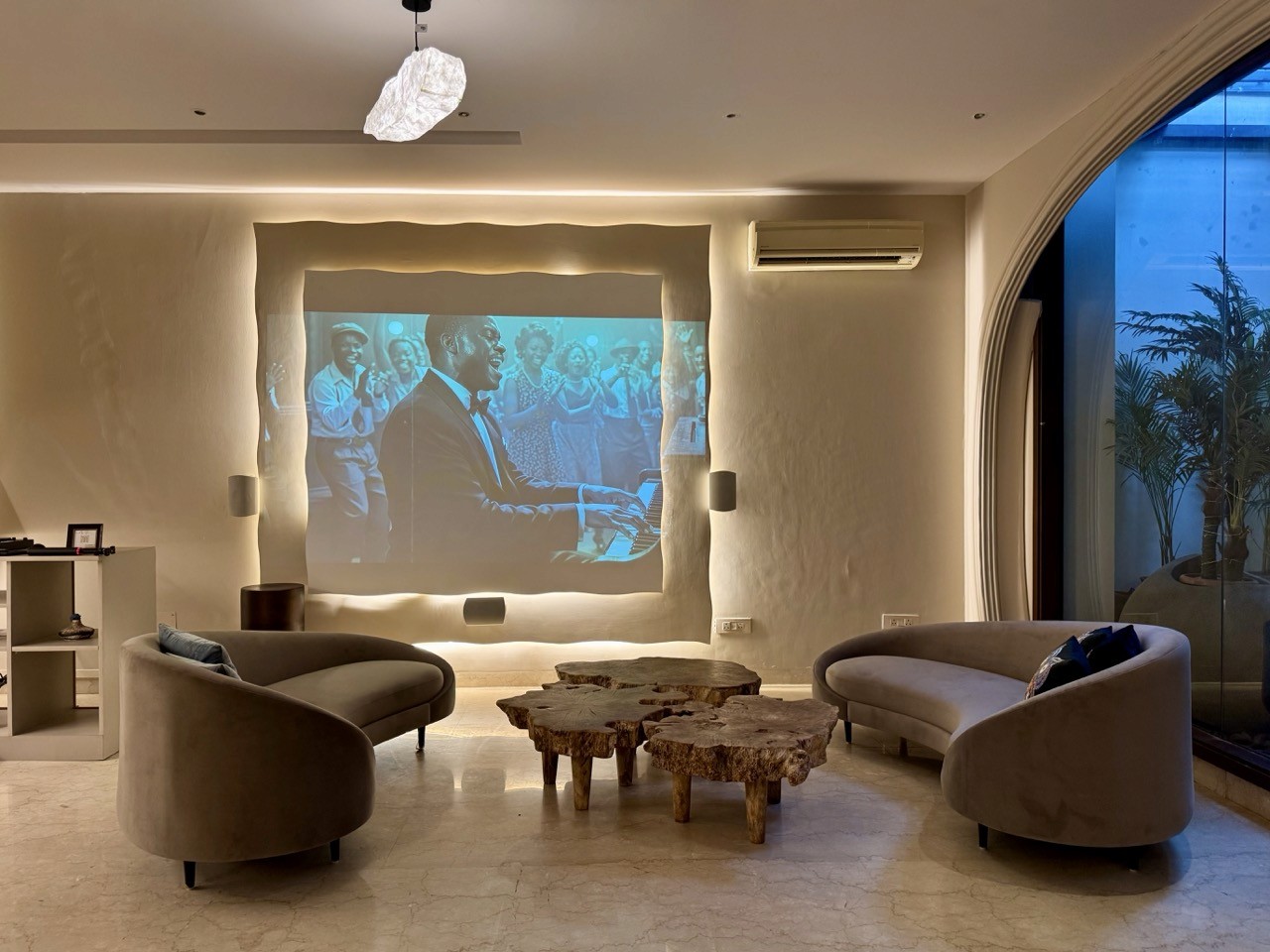
Azulik
₹12,500
per hour
A sculptural living room with cinematic lighting
South Delhi
50 guests
2,500 sqft
Hand sculpted · Modernist · Projector Wall
Book this space
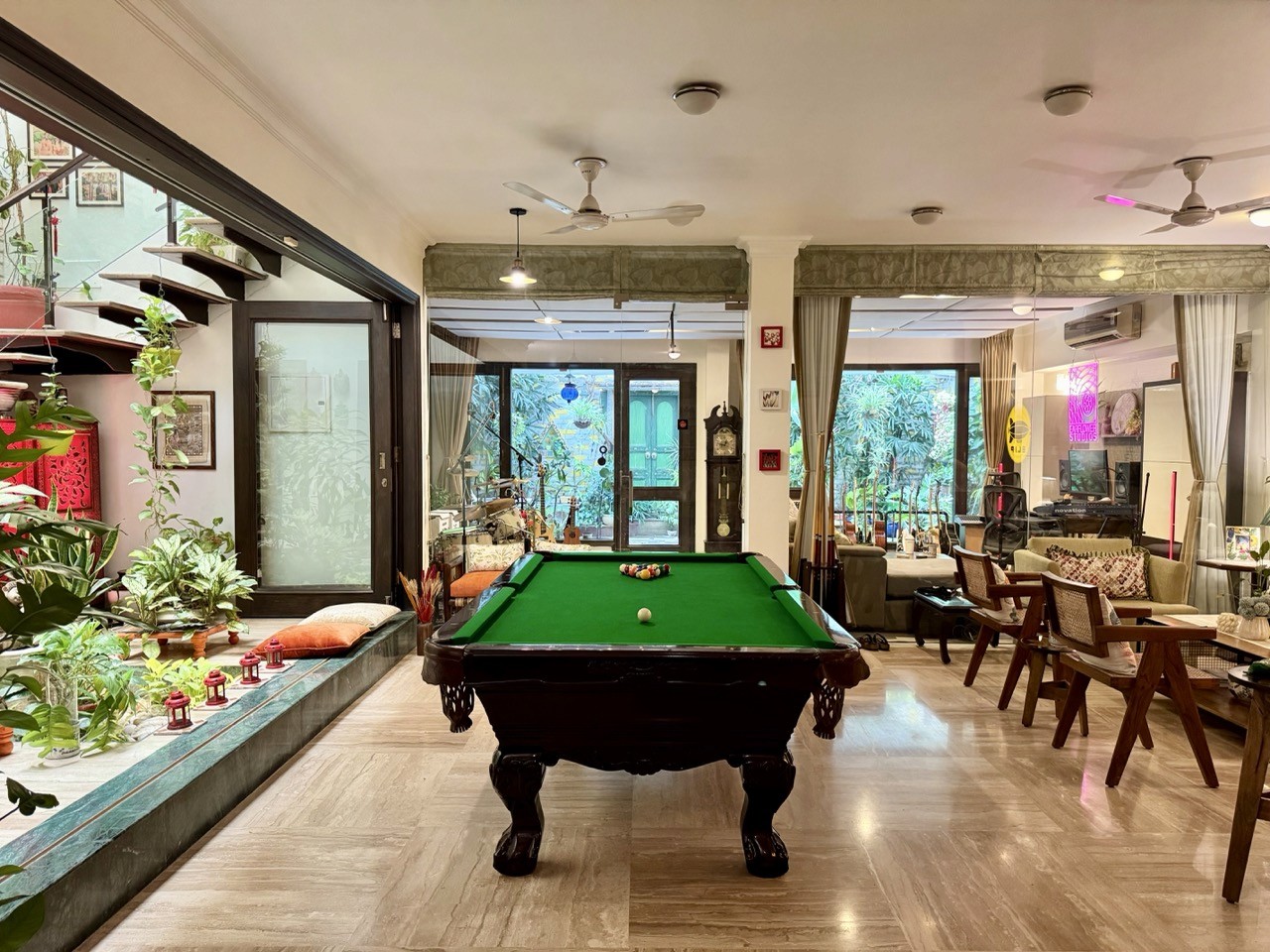
The Blip Lounge
₹3,000
per hour
A plant-filled creative home built for long, easy evenings.
Gurugram
40 guests
1,500 sqft
Living Room · Bohemian · Indoor Garden
Book this space
How much does it cost to host a supper club in Delhi?

For around 20 guests, not counting food and drink, expect roughly: the space ₹10,000–25,000 for an evening, furniture (if needed) ₹5,000–8,000, decor from ₹3,000, service staff ₹1,000–1,500 per server, and cutlery either rented or bought from about ₹400 a guest. There's no upper limit, so the smartest hosts start small and grow.
How much space do I need per guest?
Plan 15–20 sq ft per guest for a seated dinner : about 120–160 sq ft for 8 people, 350–450 sq ft for 20, and 1,500–2,000 sq ft for 100. Go wider if you're adding a bar or a lounge corner.
Can I bring my own chef or caterer to Whattaplace?
Most Whattaplace hosts welcome outside chefs and caterers, but kitchen access varies by space - some have full working kitchens, others a plating and staging area where you bring your own gear. Always check the listing and confirm with your host before booking.
How long should a supper club menu be?
Four to six courses is the sweet spot — enough to build a rhythm without leaving guests too full to linger. Balance vegetarian and non-vegetarian options, ask about allergies when guests RSVP, and leave time between courses for conversation.
How far in advance should I book a space?
Two to three weeks gives good choice for most evenings. Popular spaces and winter weekends (October to March) go faster, so for a December dinner, aim four to six weeks ahead.